
In international project logistics, selecting the right transportation mode is critical to cost control, safety, and delivery reliability. While container shipping remains the mainstream solution for standard cargo, it often proves inefficient or even unfeasible when dealing with oversized, overweight, or irregularly shaped equipment. In such cases, break bulk vessels offer a far more practical and economical alternative.
Breakbulk vessels, also known as general cargo or multipurpose vessels, are specifically designed to handle non-containerized cargo. Unlike container ships, which are restricted by standardized container dimensions and strict weight limits, breakbulk vessels provide exceptional flexibility in terms of cargo size, weight, and loading configuration.

This makes them particularly suitable for transporting heavy machinery, industrial equipment, steel structures, tanks, and project cargo.
One of the most significant advantages of breakbulk shipping is weight capability. In container transportation, a single cargo unit exceeding 30 tons often triggers heavy-lift surcharges, special approvals, and operational restrictions. In contrast, breakbulk vessels are built to handle heavy units as a standard operation. With onboard cranes ranging from 30 tons to over 300 tons, including tandem lifting options, breakbulk vessels can safely load and discharge extremely heavy cargo without relying on costly shore cranes.
Another key benefit lies in dimensional flexibility. Oversized cargo frequently exceeds the height, width, or length limitations of flat rack or open-top containers. Even when container solutions are technically possible, they often require complex engineering, dismantling of equipment, or acceptance of higher risk. Breakbulk vessels eliminate these constraints by allowing cargo to be shipped in its original form, reducing handling steps and minimizing the risk of damage.


From a cost-efficiency perspective, breakbulk shipping is often more competitive for project cargo. While container freight rates may appear lower at first glance, the additional costs associated with overweight surcharges, special equipment, port restrictions, and delays can significantly increase the final expense. Breakbulk solutions, on the other hand, provide transparent pricing structures that are better aligned with the true characteristics of heavy and oversized cargo.
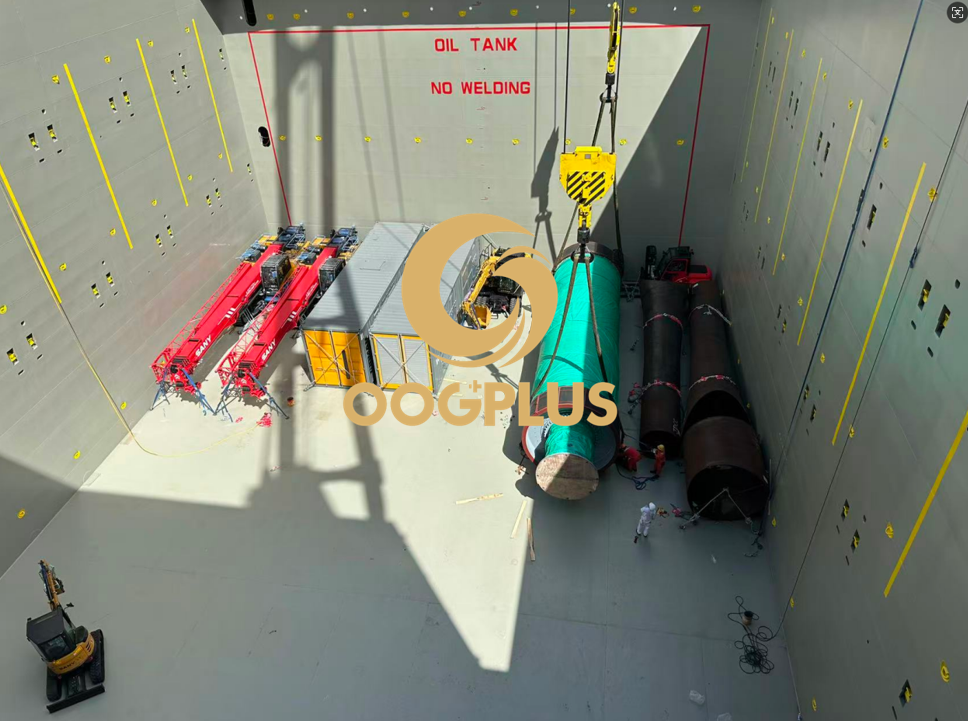
Operationally, breakbulk vessels also offer greater planning flexibility. Cargo can be loaded on deck or in the hold based on customer requirements, port conditions, and cargo sensitivity. Professional lashing and securing plans are developed to ensure cargo stability throughout the voyage, even under harsh sea conditions. This level of customization is rarely achievable in containerized transport.
In conclusion, while container shipping remains suitable for standardized cargo, breakbulk vessels represent the optimal solution for heavy, oversized, and complex equipment. By offering superior weight capacity, dimensional freedom, operational flexibility, and cost control, breakbulk shipping enables project cargo owners to transport their equipment safely, efficiently, and without unnecessary compromise. For companies engaged in heavy industry, energy, construction, and infrastructure projects, breakbulk transport is not merely an alternative—it is a strategic advantage.
Post time: Jan-14-2026